
Tourette Syndrome is a Palimpsest
Using performance art to reframe narratives around bodies, impulse, and rhythm in the context of Tourette Syndrome.
Tourette Syndrome is frequently conceptualised as a disability that is characterised by chaos and a lack of rhythm or order. As a result, much of the surrounding narratives frame tourettic people as dangerous and unpredictable, with tics being positioned as useless or disruptive.
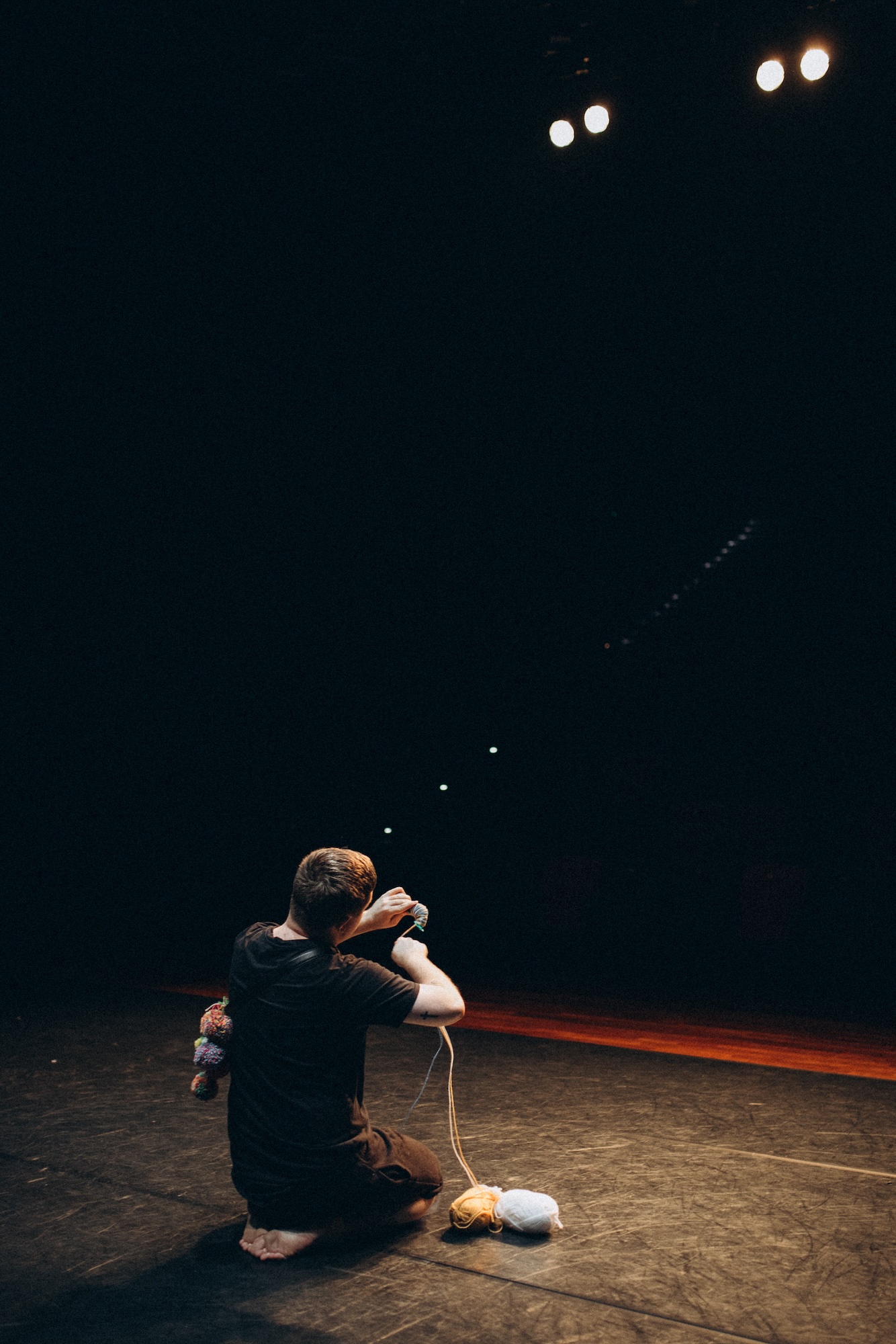
This creative practice-led research led by Dr. Daniel P. Jones uses performance art to reframe narratives around bodies, impulse, and rhythm in the context of Tourette Syndrome. It takes tics as a starting point for choreographic and performance works that reveal the deeply rhythmic nature of embodied experiences of Tourette Syndrome.
The performance work in progress does this by questioning what rhythms linger on tourettic bodies in urban and rural environments, and employs improvised movement (choreography) and audio mixing (deejaying/DJ) to explore and clarify tourettic rhythms. In doing so, the research highlights how this reframing may have a broader impact on how researchers and the general public engage with Tourette Syndrome.
This creative, autoethnographic research is being facilitated by the Institute for Medical Humanities at Durham University, Dance City (Newcastle upon Tyne), and The HopBarn (Southwell).
Project Outputs
Concept performance video, Improvised movement created at Dance City (Newcastle upon Tyne)
Core Research Team
Dr Daniel P. Jones – Durham University